
The German Breakfast (Frühstück)
A celebration of Germany's extraordinary bread culture — fresh rolls, quality cold cuts, artisan cheeses, and strong coffee arranged in a delicious morning spread.
What Is Frühstück?
The German breakfast, or Frühstück (literally "early piece"), is a cold meal that showcases the incredible quality and variety of German bread. Every morning, millions of Germans visit their local Bäckerei (bakery) for fresh Brötchen (bread rolls), which form the foundation of the meal.
Unlike the English breakfast, which is cooked and served hot, the German breakfast is a cold spread. The table is set with a basket of fresh rolls, dishes of butter, cold cuts (Aufschnitt), various cheeses, boiled eggs, jam, and honey. Each person assembles their own open-faced sandwiches, combining flavors as they wish.
Germany has over 3,000 varieties of bread — more than any other country in the world. This extraordinary bread culture is the heart and soul of the German breakfast. From dense rye breads to light wheat rolls, from pretzels to pumpernickel, the variety is staggering.
Typical German Breakfast Items

Brötchen
Fresh crusty bread rolls — the heart of German breakfast

Aufschnitt
Cold cuts — salami, ham, and liverwurst
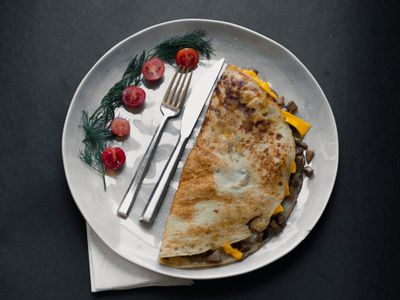
Käse (Cheese)
Selection of cheeses — Gouda, Emmental, and more

Weiche Eier
Soft-boiled eggs served in an egg cup

Butter & Marmelade
Real butter with fruit jams and honey

Kaffee
Strong German filter coffee — always fresh
What Makes the German Breakfast Unique
The German breakfast stands apart from almost every other breakfast tradition in one fundamental way: it is cold. While the English fry, the French bake, and the Japanese steam, the German breakfast is assembled, not cooked. This is not laziness — it is a deliberate philosophy that elevates the quality of each individual component.
Three principles define the German breakfast: it is abundant (the table groans with options), structured (each topping has its proper place), and bread-centred (the Brötchen is the foundation upon which everything else is built). The meal rewards deliberation — you choose your bread, split it open, spread butter edge to edge, then layer your chosen topping with care.
The Brötchen (bread roll) is the true hero. Each morning, Germans queue at their local Bäckerei for rolls baked within the hour. A proper Brötchen has a crackling crust that shatters when torn and a soft, airy interior that soaks up butter perfectly. Without fresh Brötchen, there is no German breakfast.
Component by Component
Every element on the German breakfast table serves a purpose. Here is a detailed look at each component:
Brötchen (Fresh Crusty Rolls)
The foundation of the entire meal. Germans buy them fresh every morning from the local Bäckerei. The ideal Brötchen has a shattering crust and a soft, pillowy interior. Varieties include Sonnenblumen (sunflower seed), Sesam (sesame), and the classic plain white roll.
Aufschnitt (Cold Cuts)
A selection of thinly sliced meats: Salami (dry-cured and spicy), Schwarzwälder Schinken (Black Forest ham), and Leberwurst (liverwurst, spreadable on bread). Each has a distinct flavour profile — salty, smoky, or rich and earthy.
Käse (Cheese)
Germany produces over 600 varieties of cheese. Breakfast typically features slices of Gouda (mild and creamy), Emmental (nutty with characteristic holes), and Camembert (soft and pungent). Each is laid out on a separate plate for self-service.
Süß Toppings (Sweet Spreads)
For those who prefer sweetness in the morning: fruit jams (strawberry, apricot, cherry), real honey from local beekeepers, and increasingly, Nutella — which has become a modern German breakfast staple, especially with children.
Eier (Soft-Boiled Eggs)
Served in an egg cup with the top neatly sliced off. Germans eat them with a spoon, sometimes adding salt, pepper, or a small piece of butter inside. A perfectly soft-boiled egg has a runny yolk and a just-set white — timing is everything.
Gemüse (Fresh Vegetables)
Sliced tomatoes, cucumber rounds, and bell pepper strips appear on many German breakfast tables, especially in summer. They add freshness and crunch between bites of bread and cheese. Often served with a light vinaigrette.
Müsli Option
Many Germans, especially the health-conscious, start with a bowl of Müsli — the breakfast cereal invented in Switzerland by Dr. Maximilian Bircher-Benner. A mix of rolled oats, nuts, dried fruits, and fresh fruit topped with milk or yogurt. It provides a lighter alternative to the bread-heavy spread.
German vs English Breakfast
| Aspect | German Frühstück | English Breakfast |
|---|---|---|
| Temperature | Cold (assembled) | Hot (fried/grilled) |
| Protein Source | Cold cuts, cheese, eggs | Bacon, sausage, eggs |
| Bread Type | Fresh rolls (Brötchen) | Toast or fried bread |
| Cooking Required | None (boiling eggs only) | Extensive (25-30 min) |
| Sweetness | Jam, honey, Nutella | Baked beans, toast |
| Primary Drink | Strong filter coffee | Tea with milk |
| Time Investment | 5 min (plus bakery trip) | 30 min cooking |
Regional German Breakfast Variations
Bavarian
The legendary Weisswurst breakfast: white veal sausages with sweet mustard, a giant soft pretzel, and optionally a wheat beer (Weißbier). This Munich tradition dates back to 1857 and is eaten before noon — never after.
Northern Germany
Closer to the coast, breakfast leans into fish — pickled herring (Rollmops), smoked salmon, and liver sausage on dark pumpernickel-style breads. The north favours dense, dark rye breads over the lighter wheat rolls of the south.
Berlin
Berlin offers the Currywurst breakfast — sliced pork sausage smothered in curry ketchup, often enjoyed at a stand on the way to work. While not a traditional sit-down breakfast, it is an iconic Berlin morning ritual.
German Breakfast Culture
The German breakfast is more than a meal — it is a Sunday tradition. While weekdays are quick (a single Brötchen with butter, eaten standing), the weekend Frühstück is a proper event. The table is set with a full spread: a basket of assorted rolls, multiple plates of cold cuts and cheeses, a dish of soft-boiled eggs, jars of jam and honey, and a pot of fresh coffee.
Sunday Frühstück is a social occasion. Families gather around the table in their dressing gowns, the Sunday newspaper is spread open, and the meal unfolds at a leisurely pace. There is no rush. The ritual of tearing open a warm Brötchen, spreading butter to the edges, and carefully layering slices of salami and Emmental is almost meditative.
This slow, communal approach to the morning meal is one of Germany's most cherished domestic traditions. It reflects a culture that values quality, structure, and the quiet pleasure of doing things properly — even breakfast.
The Bavarian Weekend Breakfast
On weekends, especially in Bavaria, the breakfast table might feature Weisswurst (white veal sausage) served with sweet mustard and a freshly baked pretzel. Traditionally, Weisswurst must be eaten before noon — a rule that Bavarians take seriously. A glass of Weißbier (wheat beer) is an acceptable accompaniment, turning breakfast into a proper Frühschoppen (morning drink).
German vs English Breakfast
The German breakfast is cold and bread-focused; the English is hot and fried. The German emphasizes variety through different toppings on fresh bread; the English emphasizes cooking technique with fried, grilled, and baked items. Both are excellent, but they serve different moods — the German is calm and composed, the English is warm and comforting.
Frequently Asked Questions
What is a typical German breakfast?
A traditional German breakfast (Frühstück) is a cold meal centered around fresh bread rolls (Brötchen) served with butter, cold cuts (Aufschnitt), cheese, boiled eggs, jam, and honey. It is accompanied by strong coffee or tea.
Why do Germans eat cold breakfast?
The German preference for a cold breakfast dates back centuries and reflects practical concerns — it is quick to prepare, uses preserved foods (cold cuts, cheese), and highlights the quality of fresh-baked bread. Germany has one of the richest bread cultures in the world.
How many types of bread does Germany have?
Germany has over 3,000 officially recognized varieties of bread — more than any other country. This includes rye bread, pumpernickel, pretzels, and countless regional specialties. Bread is so important to German culture that UNESCO has recognized it as intangible cultural heritage.
What is a Bavarian breakfast?
A Bavarian breakfast often includes Weisswurst (white sausage) with sweet mustard, a freshly baked pretzel, and a wheat beer (Weißbier). This is more of a weekend tradition, especially during Oktoberfest season.
Is German breakfast similar to English?
Not really. The German breakfast is cold and bread-based, while the English breakfast is hot and fried. However, both include eggs and bacon/sausage (in the German case, as cold cuts). The German breakfast is lighter and quicker to prepare.